

History & Heritage
Discover the stories, people, and places that shaped Merriwa.
Traditional Custodians
Merriwa sits on the traditional lands of the Wonnarua People, who have cared for this region for thousands of years. Their deep connection to Country continues today through culture, stories, and community.
Early European Settlement
European settlement in the Merriwa district began in the early 1800s, with pastoral runs established across the region. Agriculture — particularly sheep and wool — quickly became the backbone of the local economy and remains central to Merriwa’s identity today.
Historic Buildings & Sites
Merriwa has several heritage‑listed or historically significant buildings that reflect its rural past:
Merriwa Courthouse (Built 1880’s)
A classic sandstone building that still stands
Merriwa Railway Station (Opened 1917)
Part of the now‑closed Merriwa–Muswellbrook line, the station remains a reminder of the region’s transport history.
St Anne’s Catholic Church
A beautiful example of early rural church architecture.
Merriwa Anglican Church
A beautiful example of early rural church architecture.
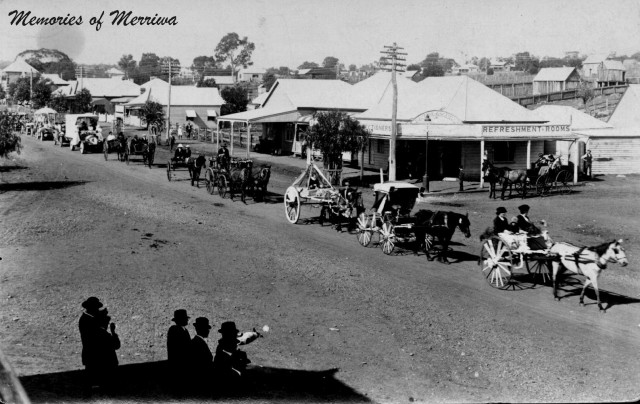
Historic Main Street Shopfronts
.
Agricultural Heritage
Farming has shaped Merriwa for generations. The region is known for:
- wool production
- sheep and cattle grazing
- cropping (wheat, canola, barley)
- community events celebrating rural life
This heritage is most visible during the Festival of the Fleeces, held each June long weekend.
Local Stories & Community Memory
Merriwa’s history is kept alive through:
- long‑standing family farms
- community groups
- local museums and historical societies in the wider Upper Hunter
- oral histories passed down through generations
we can add a section later linking to local archives or community groups.